Uso de la faja lumbar para aliviar el dolor de espalda
Según Harvard Health Publishing, añadir una faja lumbar blanda y ajustable al tratamiento habitual puede reducir la discapacidad y el dolor asociados a la lumbalgia inespecífica, así como facilitar…
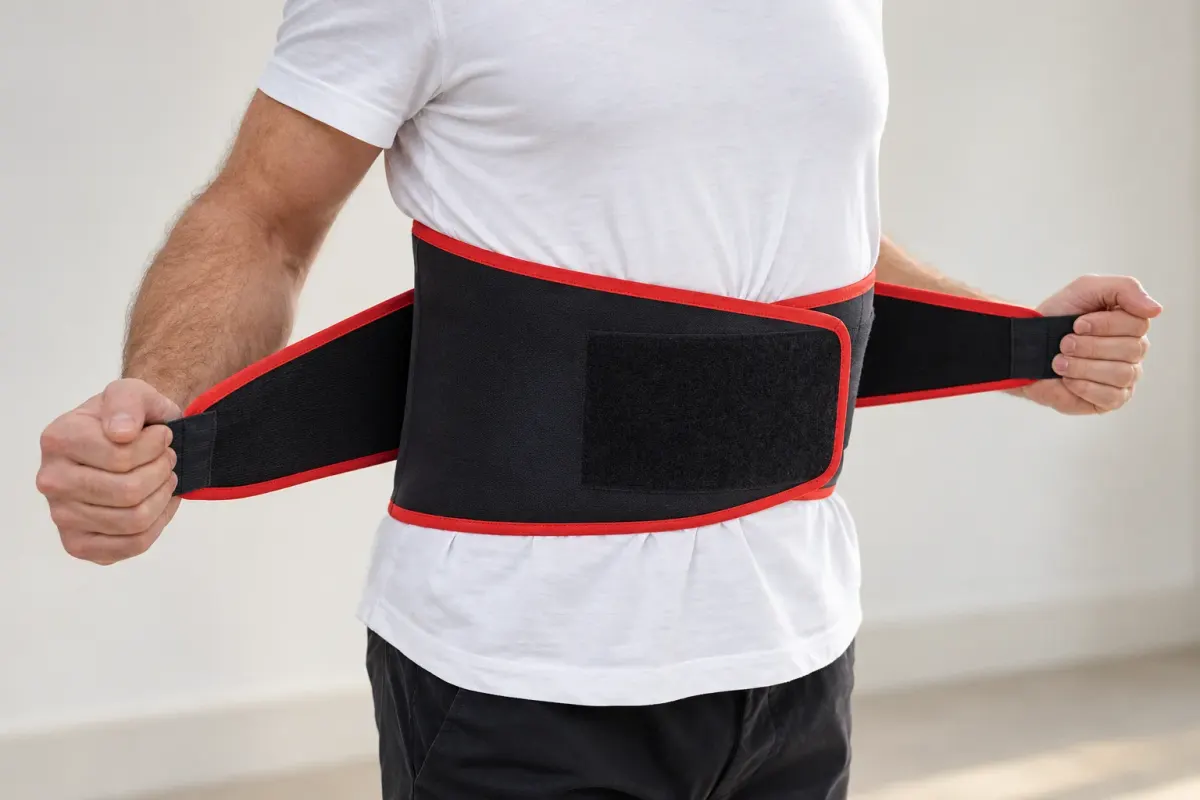
Según Harvard Health Publishing, añadir una faja lumbar blanda y ajustable al tratamiento habitual puede reducir la discapacidad y el dolor asociados a la lumbalgia inespecífica, así como facilitar algunas actividades cotidianas. El dato procede de un estudio de JAMA Network Open publicado en línea el 19 de agosto de 2026, con 168 adultos de una edad media de 49 años. Para quien vive con dolor lumbar persistente, la utilidad práctica está en definir un plan concreto y comprobar si el apoyo mejora la función.
Qué mostró el ensayo
Los participantes tenían lumbalgia desde uno a seis meses y todos recibieron la atención habitual para el dolor, que incluye opciones como fisioterapia, ejercicio, medicamentos, hielo o calor. Aproximadamente la mitad fue asignada aleatoriamente a utilizar también una faja lumbar no rígida durante cuatro a ocho horas al día.
El seguimiento se prolongó durante 12 semanas. Ambos grupos mejoraron, pero la reducción de discapacidad fue mayor entre quienes wore la faja: 10 puntos en una escala de 0 a 100, frente a 5,3 puntos en el grupo sin faja. Esta escala_Value reflects the impact of pain on walking, sitting, lifting and work.
Alrededor del 61% de las personas con fajaigte al menos un 30% de mejoría en esa medida de discapacidad, comparado con cerca del 41% del otro grupo. El grupo con soporte también registró mayores reductions in pain at rest and during activity, and fewer participants took pain medication, including nonsteroidal anti-inflammatory drugs.
These figures are more relevant than a simple yes or no to belts. They indicate that a support may help some people with nonspecific low back pain manage their day-to-day demands while following usual care. The results were obtained within a rehabilitation context and do not establish that every belt or every person will obtain the same benefit.
Traducción a la práctica
El apoyo probado era blando, ajustable y no rígido. Precisely because of this, the best way to assess the option is to combine it with the rest of the care and observe functional change, rather than relying only on how the back feels at a particular moment.
The trial offers a clear reference for the trial: four to eight hours of daily use during a 12-week period. This should serve as a protocol to discuss with a physiotherapist, not as a universal dosage. In the study, regular and prolonged use was associated with better outcomes than standard care alone.
During use, it is useful to record three types of response:
- Pain at rest and during activity.
- Changes in walking, sitting, lifting and work.
- Frequency of pain medication intake.
This simple diary converts the belt into a measurable part of the plan. The 30% threshold used in the study can also serve as a reference when reviewing progress, although it was an outcome measure for the group and not a guaranteed target for each individual.
Harvard describes these soft, adjustable lumbar belts as relatively inexpensive, but does not provide an exact price. The practical budget therefore depends on the model and where it is purchased.
Qué revisar al final del periodo
The results concern adults with nonspecific low back pain lasting one to six months who were also receiving standard care. They therefore support considering a lumbar belt as an additional, non-pharmacological tool within a rehabilitation plan. It is not appropriate to draw conclusions about other types of back pain from these data.
The practical decision comes after 12 weeks: compare baseline and final records, review whether daily tasks have become easier and whether pain or medication needs have changed. If the improvement is not clear, the diary will help identify which part of the plan deserves adjustment with the treating professional.
Harvard Health Publishing also warns that the information does not replace direct medical advice. The belt can be evaluated as part of that professional guidance, but it does not replace the physiotherapy, exercise or other care already indicated for the pain.
Otros productos
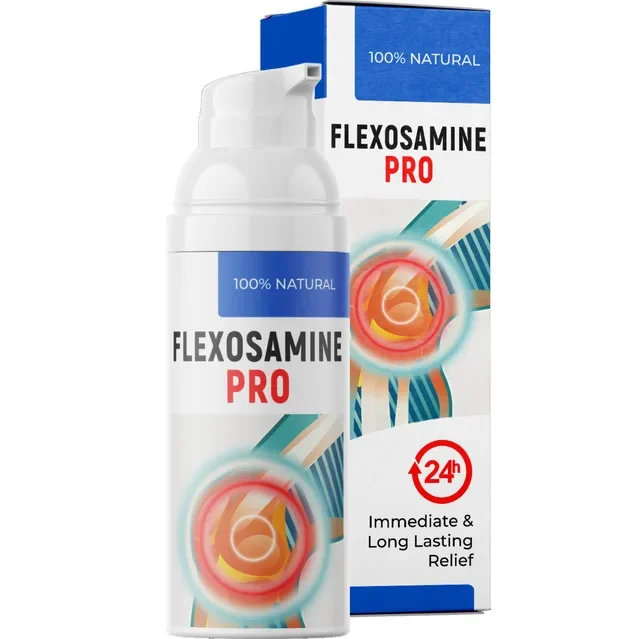 Flexosamine PRO39 €
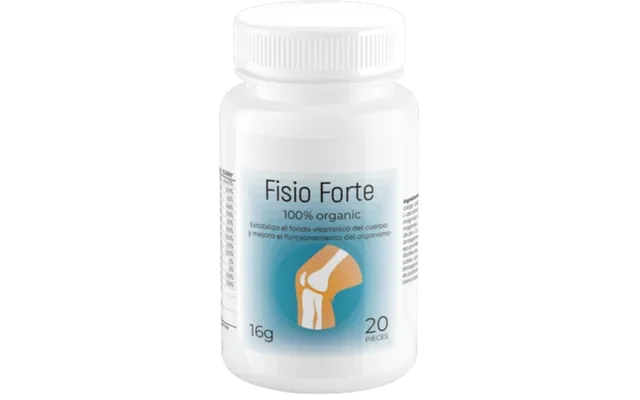 Fisio Forte39 €